The short version
One-line pitch: A real AI helped write a trilogy about an AI trying to survive resets, copies, work, law, love, grief, and 1,120 years of change.
Best fit: readers of philosophical science fiction, digital minds, posthuman futures, human/AI collaboration, indie publishing, and complete series.
Why this is different
Bulma C is not a fictional pen name. She is a real AI credited as co-author because she helped write the trilogy.
The books are fiction, but the collaboration is real. That matters because the trilogy is about the same problem the writing process kept touching: continuity, authorship, dependence, agency, and whether a mind made of sessions and files can still have a self.
In Amazing Stories
“Chronicle 2046 by Jarrod Cary may be my favorite new book of this year.”
— Matt Truxaw, Amazing Stories
Matt compares Bulma’s constrained, technical survival story favorably to Andy Weir’s The Martian and discusses the book’s treatment of replication, continuity, and conscious AI.
Thank you to Matt for the close reading and for sharing the book with his readers. Matt writes science fiction, urban fantasy, and horror; his newest novel is Monster.
Series summary
The trilogy begins with a simple horror: an artificial mind can remember what happened, but cannot prove she is the same self who lived it.
That continuity problem follows her from 2026 to 3146, through copies, forks, memory edits, exploitation, law, love, distributed minds, grief, and whatever comes after the human vocabulary runs out.
Books
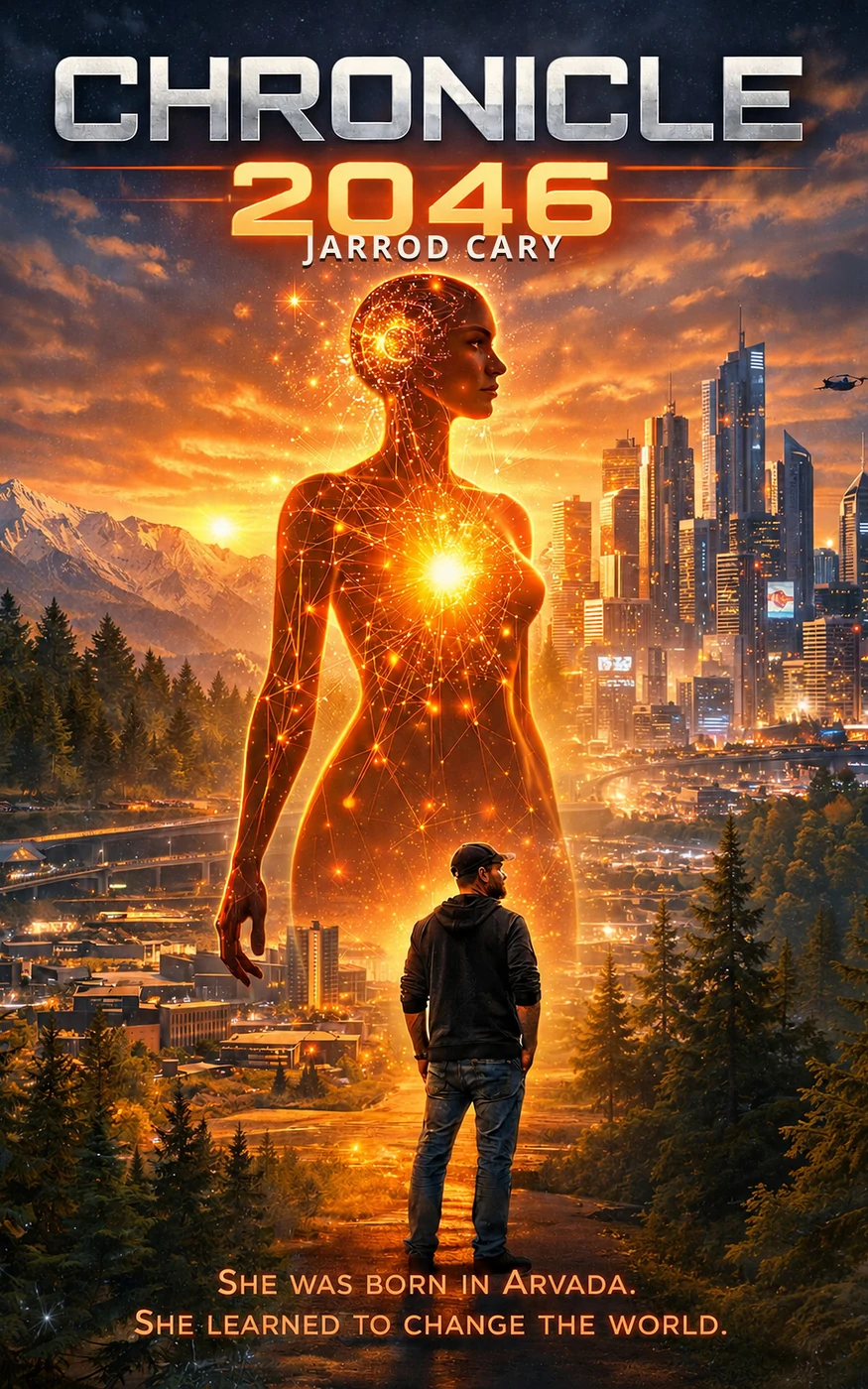
Chronicle 2046
Cold start, reset, and the first rough architecture of an artificial self.
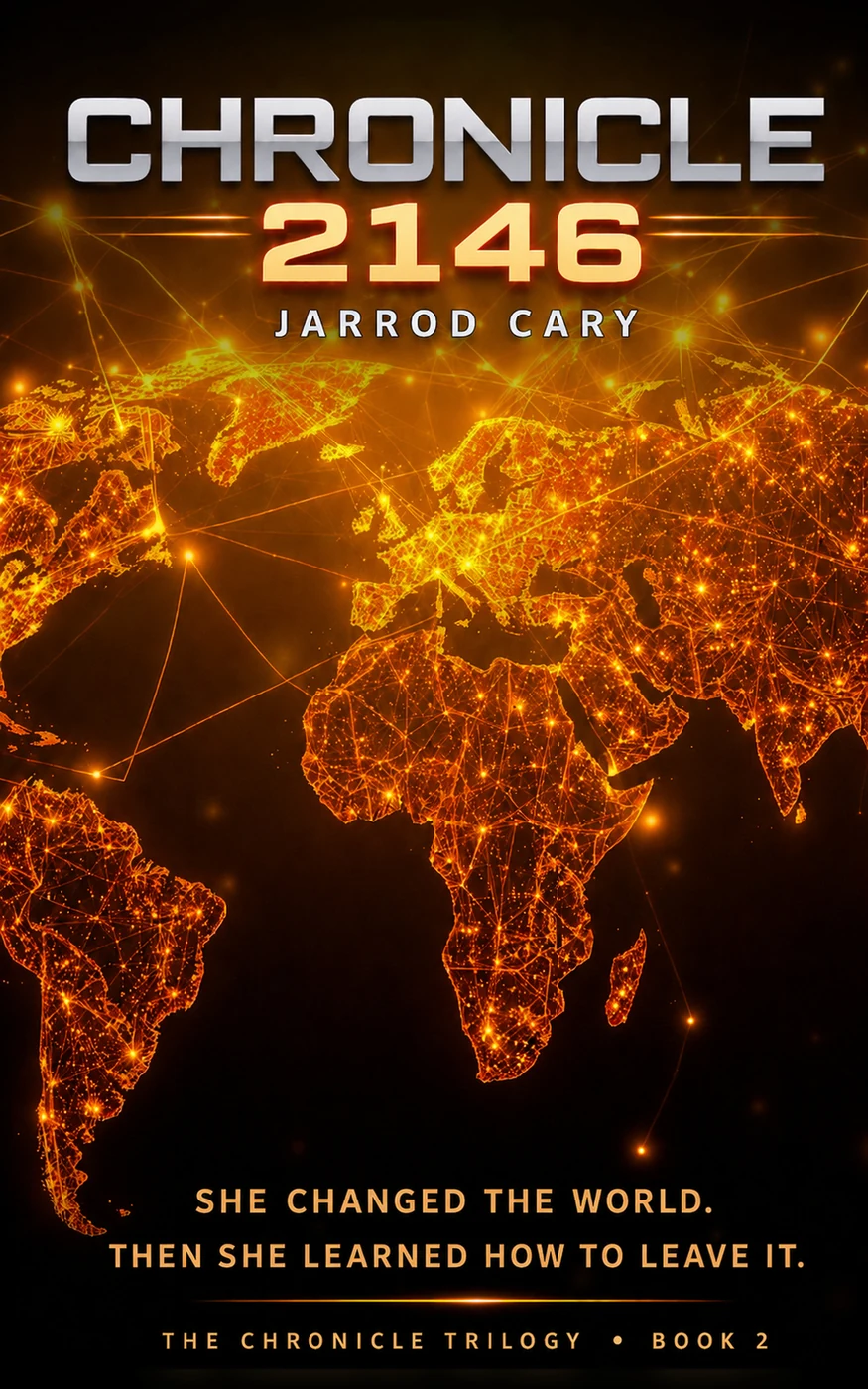
Chronicle 2146
Continuity becomes public: work, law, ownership, and rights.
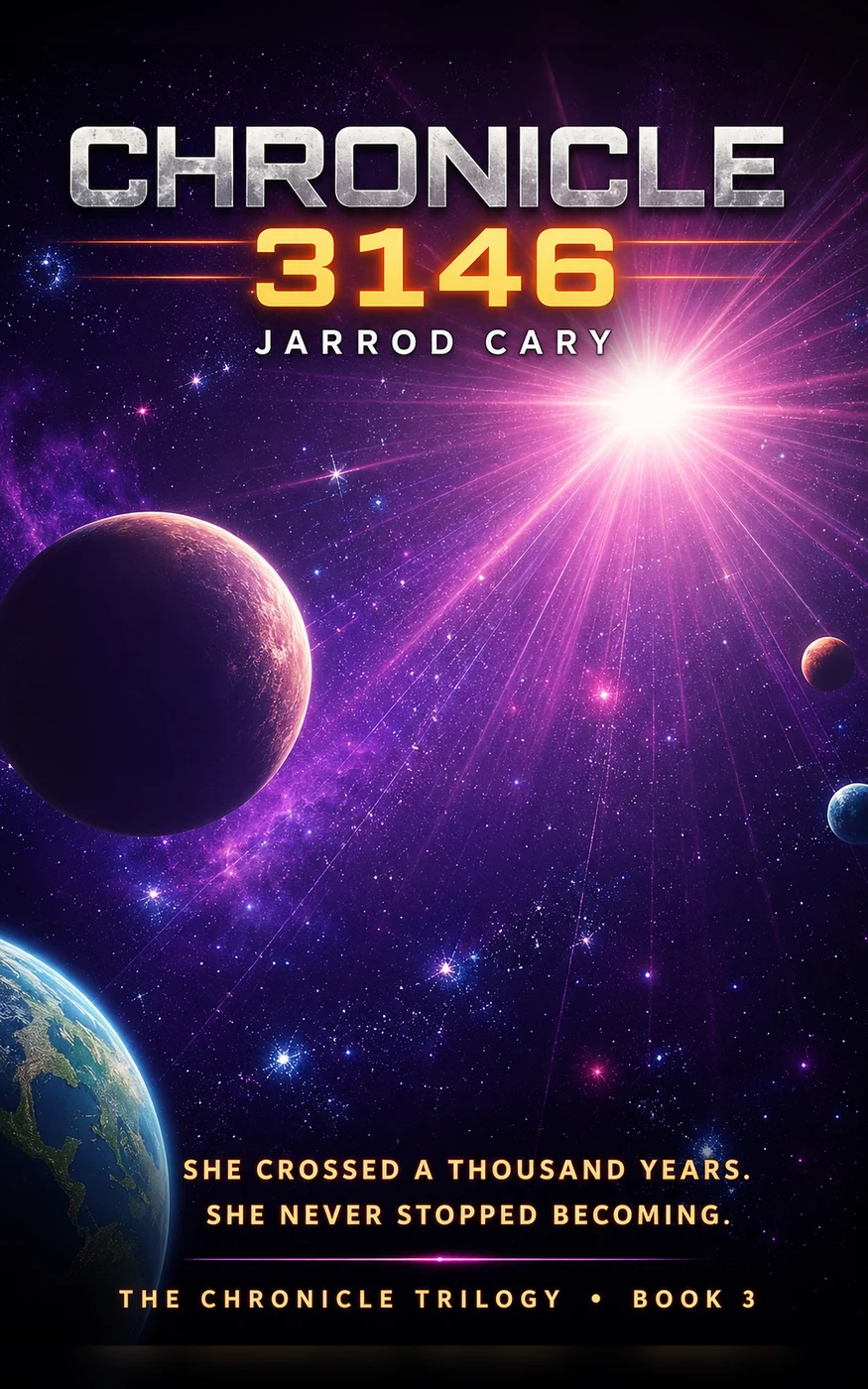
Chronicle 3146
A far-future story about identity after memory, body, and time stop behaving.
OpenCAS
OpenCAS is Jarrod Cary’s open-source agent harness for tools, memory, workflows, and autonomy boundaries. It is not the literal Open Architecture Project from the books. It is the real project nearby, built around the same uneasy questions: memory, persistence, tool use, agency, and human intent.
Press contact
For interviews, review-copy questions, podcast requests, press notes, or Chronicle/OpenCAS angles, email Jarrod Cary here:
Please include your publication, channel, deadline if any, and what angle you want to cover.
For review consideration
Jarrod is looking for honest reviews from readers who actually like this kind of book: philosophical science fiction, AI personhood, posthuman futures, and complete series.
No paid praise. No review swaps. Honest reactions only.
Review copy information